
What to Wear to a Wedding (Plus Size Guide for Every Dress Code)
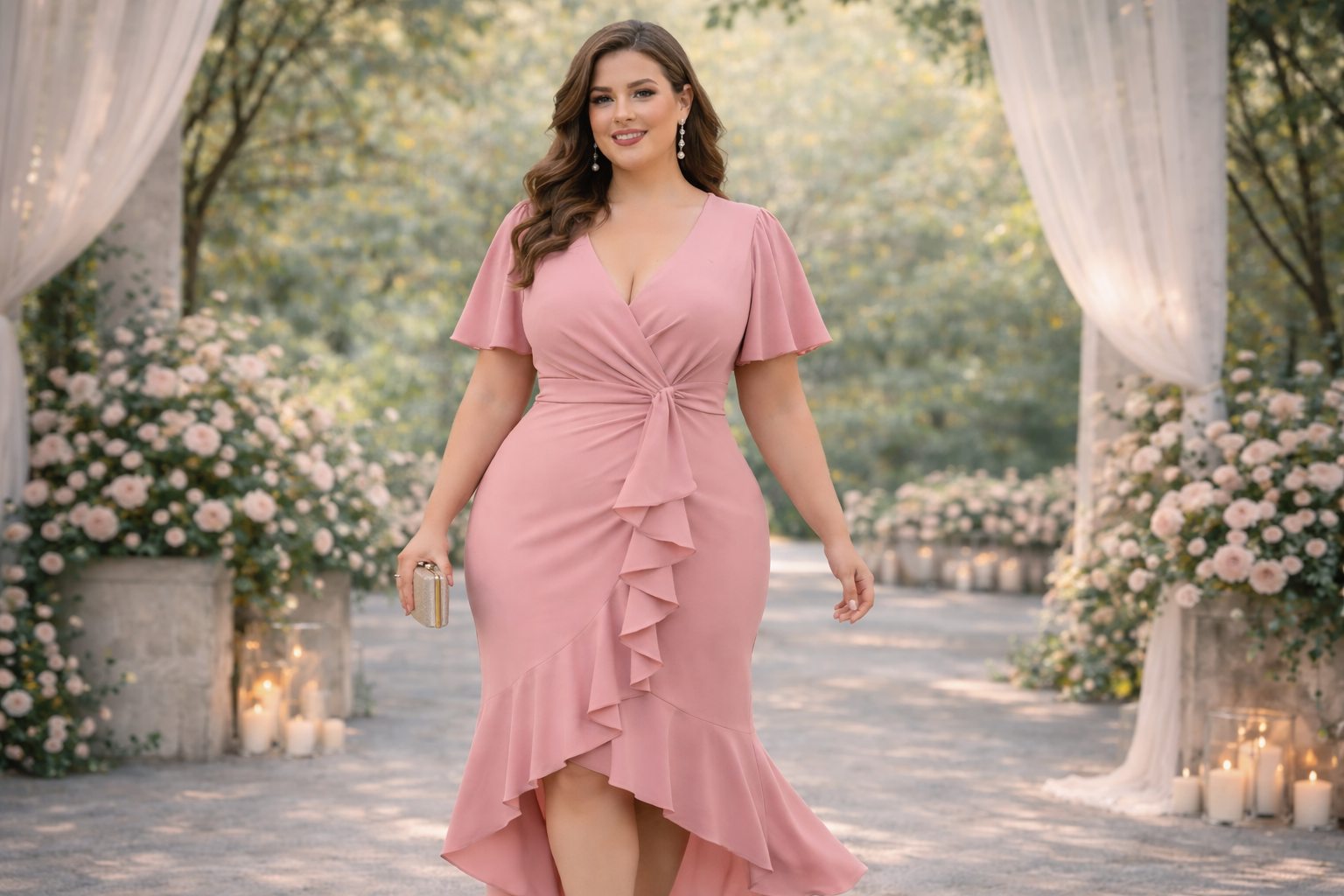
Weddings are joyful occasions—but choosing what to wear can feel unexpectedly stressful, especially for plus-size women navigating fit, comfort, and dress codes all at once. It’s not just about finding something beautiful — it’s about finding plus size dresses that truly fit and flatter your shape. It’s about finding a dress that supports your bust, defines your shape without restriction, and moves comfortably through the day.
Many curvy women know this frustration well: a dress that fits the hips but pulls at the chest, or one that looks elegant standing still but feels restrictive when sitting or walking. Add in dress code expectations—formal, cocktail, garden, black tie—and it becomes even harder to decide with confidence.
The good news is this: once you understand how dress codes translate into curve-friendly silhouettes and fabrics, choosing the right outfit becomes much simpler—and far more enjoyable.
Featured Snippet Answer
The best wedding guest outfit for plus-size women depends on the dress code, but universally flattering choices include wrap dresses, A-line silhouettes, and structured midi or maxi dresses that support the bust and allow movement through the hips. Look for balanced waist definition, soft drape, and fabrics that skim rather than cling.
1. Understanding Wedding Dress Codes (and What They Really Mean)
Dress codes can be very different from one wedding to another. They vary on a scale of formality and structure required. For most weddings, elegant plus size wedding guest dresses will fall into cocktail, formal, or semi-formal categories.
Black Tie / Formal
Think floor-length gowns or evening maxi dresses. For curves, this is where structured bodices and strategic seam placement matter most. A well-placed waist seam slightly above the natural waist can elongate the body while accommodating the bust comfortably. Many plus size women fall back on reliable, time-tested colours like black, navy and emerald green for this dress code. Black tie weddings typically call for floor-length gowns or refined plus size formal dresses with structured bodices and elegant drape.
Cocktail Attire
Midi-length dresses are ideal here. Dresses should end anywhere between after the knee to above the ankle. Look for designs that define the waist without being too tight. Find dresses that employ subtle shaping via tasteful seams rather than tight waistbands for a more elegant silhouette.
Garden or Beach Wedding
Lighter fabrics like chiffon or soft satin work beautifully. Movement becomes key—dresses should glide over the hips rather than cling. A gentle A-line cut is particularly effective in outdoor settings, especially for women with curves. Many plus size women prefer lighter fabrics for outdoor settings so they feel airy and cool though the event.
Daytime / Semi-Formal
You can be more experimental with this dress code. A structured wrap or softly tailored midi dress balances comfort with formality. Be careful not to overdress. Stay away from heavy fabrics like velvet and brocade as they are too formal for the occasion.
2. Choosing Silhouettes That Truly Flatter Curves

Not all silhouettes are created equal—especially when it comes to supporting a fuller bust and maintaining balance through the hips.
Wrap Dresses
One of the most reliable options. The adjustable waist allows for natural shaping without rigidity, while the neckline accommodates the bust without flattening it.
A-Line Dresses
A gentle flare from the waist creates ease through the hips, allowing movement without excess volume. This is especially helpful for long events where sitting and walking are constant.
Empire Waist (with Structure)
When done correctly—with proper bust shaping rather than just fabric gathering—this silhouette can feel light and effortless while still offering support.
Fit-and-Flare
The key here is proportion. A well-designed version will contour the upper body and release gradually, rather than sharply, creating a smoother visual line.
3. Fabric Matters More Than You Think

Fabric determines how a dress feels—not just how it looks.
Chiffon
Light, airy, and forgiving. It moves with the body and doesn’t cling, making it ideal for warm-weather weddings or long days.
Satin
Beautiful but requires careful tailoring. A matte or slightly weighted satin works best, as it skims rather than highlights every contour.
Crepe
A favourite in occasionwear. It offers structure without stiffness, smoothing the body while allowing movement.
Lace (with lining)
Adds elegance, but the lining underneath is crucial. A soft stretch lining ensures comfort and prevents restriction.
4. Getting the Bust Fit Right (The Foundation of Everything)
If the bust doesn’t fit, nothing else will feel right.
Look for:
-
Darts or seam shaping that contour around the bust rather than flatten it
-
V-neck or soft scoop necklines that open the chest visually
-
Adequate front length—a common issue is dresses riding up due to insufficient bust accommodation
A well-designed dress will feel secure without pulling or gaping. You should be able to sit, move, and breathe comfortably—without constantly adjusting.
5. Waist Placement: The Subtle Detail That Changes Everything
Where the waist sits can dramatically affect how a dress looks on curves.
A slightly elevated waistline can:
-
elongate the legs
-
reduce pressure on the midsection
-
create a more fluid silhouette
However, it should never feel like it’s cutting across the bust. The best designs balance visual shaping with actual comfort—often using soft seam placement rather than tight bands.
6. Movement Through the Hips (Often Overlooked, Always Important)
A dress might look perfect standing still—but weddings involve walking, նստ sitting, and hours of wear.
Key considerations:
-
Hip ease allowance (extra room beyond body measurement)
-
Skirt cut (A-line or soft flare vs straight cut)
-
Fabric flexibility
When done right, the dress moves with you—not against you. You’ll notice it most when walking—the fabric should glide, not restrict.
Hello Curve Design Insight
At Hello Curve, every piece begins with a curve-first approach.
Bust Fit
Designs incorporate additional front length and shaping through seams or darts, ensuring the dress sits smoothly without pulling.
Waist Placement
Rather than forcing a fixed waistline, designs often use slightly elevated or softly defined waist seams to create balance without restriction.
Hip Movement
Extra allowance is built into the hips—not as excess fabric, but as intentional shaping that allows movement while maintaining elegance.
Drape
Fabric is selected and cut to fall cleanly over curves, avoiding stiffness or cling. The goal is always the same: a dress that feels as good as it looks.
Key Takeaways
-
Choose silhouettes that support the bust and allow hip movement
-
Prioritise fabric that drapes rather than clings
-
Match your dress to the wedding dress code—but adapt it for your comfort
-
Look for thoughtful seam placement instead of relying on tight fits
-
The best flattering dresses for curves feel effortless to wear, not restrictive
FAQ
What is the most flattering wedding guest dress for plus size women?
Wrap dresses, A-line silhouettes, and structured midi dresses are consistently flattering because they balance bust support with hip movement.
Can plus size women wear satin to weddings?
Yes, but choose heavier or matte satin with proper tailoring to avoid cling.
What length is best for a wedding guest dress?
Midi and maxi lengths are the most versatile and appropriate for most wedding dress codes.
How do I choose between cocktail and formal dresses?
Follow the invitation dress code, but lean toward structured midi for cocktail and floor-length or elevated maxi for formal.
Are fitted dresses suitable for curves?
Yes—if they include proper shaping and stretch. The key is comfort and movement, not tightness.
)